
Transformer Installation
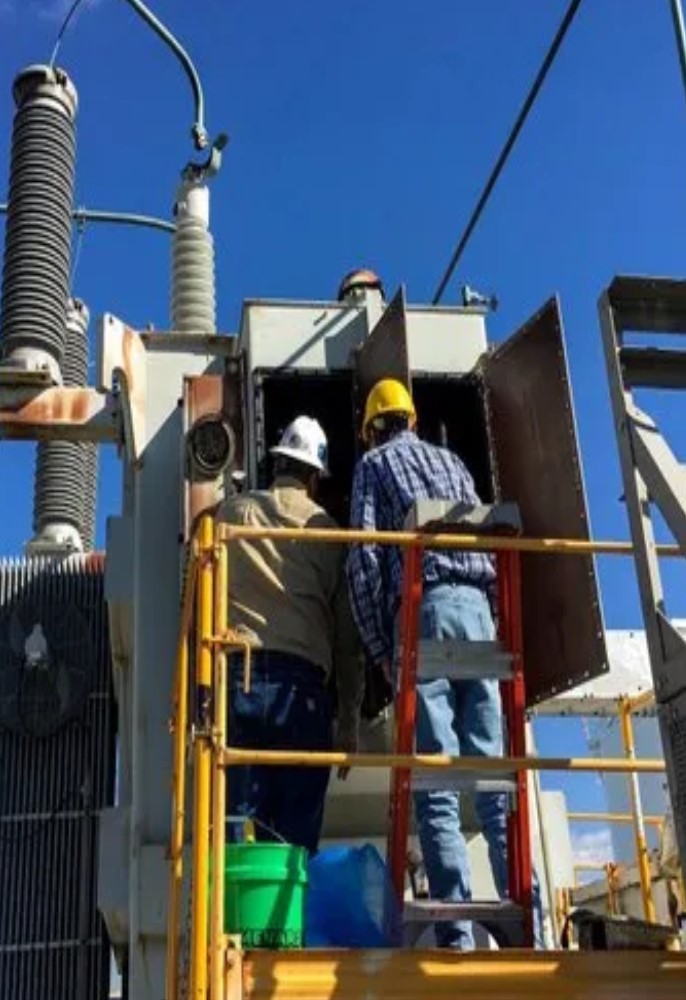
Transformer Installation
Transformer Installation Involves The Proper Setup And Connection
Transformer installation involves the proper setup and connection of electrical transformers, which are crucial components in power distribution systems. Transformers are used to change voltage levels for transmission, distribution, and utilization of electrical power. Proper installation ensures safe and efficient operation of transformers and the electrical system as a whole. Here’s an overview of transformer installation:
Pre-Installation Preparation:
- Site Selection: Choose a suitable location for the transformer based on factors such as accessibility, safety, and environmental considerations.
- Foundation Preparation: Ensure the installation area has a stable and level foundation capable of supporting the weight of the transformer.
- Clearances: Leave adequate clearances around the transformer for ventilation, maintenance, and safety.
Transformer Installation Process:
- Unloading and Positioning: Carefully unload the transformer from transport and position it on the prepared foundation using appropriate lifting equipment.
- Alignment: Ensure the transformer is aligned properly on its foundation and securely anchored to prevent movement.
- Cooling System Connection: If the transformer has a cooling system, connect it to the appropriate cooling source, such as a radiator or cooling fan.
- Bushings and Terminals: Connect high-voltage and low-voltage bushings to the appropriate terminals using proper insulation and connections.
- Grounding: Establish proper grounding connections to ensure safety and protection against electrical faults.
- Wiring and Cabling: Connect control wiring, monitoring cables, and grounding conductors according to the manufacturer’s instructions.
- Oil Filling: If the transformer is an oil-filled type, fill it with the recommended type and quantity of insulating oil.
- Testing: Conduct initial tests to ensure proper connections and to verify the integrity of the transformer.
Safety Considerations:
- Safety Procedures: Follow proper safety protocols and guidelines for working with high-voltage equipment.
- Personal Protective Equipment (PPE): Wear appropriate PPE, such as insulated gloves, safety goggles, and protective clothing.
- Lockout/Tagout Procedures: Implement lockout/tagout procedures to prevent accidental energization during installation and maintenance.
Post-Installation Steps:
- Commissioning: Perform comprehensive testing of the transformer, including insulation tests, turns ratio tests, and oil tests.
- Documentation: Maintain accurate records of the installation process, test results, and manufacturer’s documentation.
- Training: Ensure that personnel involved in transformer installation and maintenance are trained and experienced.
Benefits of Proper Transformer Installation:
- Efficient Operation: Properly installed transformers ensure efficient power transfer and minimal energy losses.
- Voltage Regulation: Transformers help regulate voltage levels, ensuring stable and safe power distribution.
- Reliability: Correct installation contributes to the reliability and longevity of transformers.
- Safety: Safe installation and proper grounding reduce the risk of electrical hazards.
Transformer installation requires expertise in electrical engineering, safety protocols, and transformer technology. It’s recommended to work with experienced professionals or contractors who have a thorough understanding of transformer systems to ensure a safe and effective installation.

Working With The Best
Who Knows Us


