
Switchgear Installation
Switchgear Installation
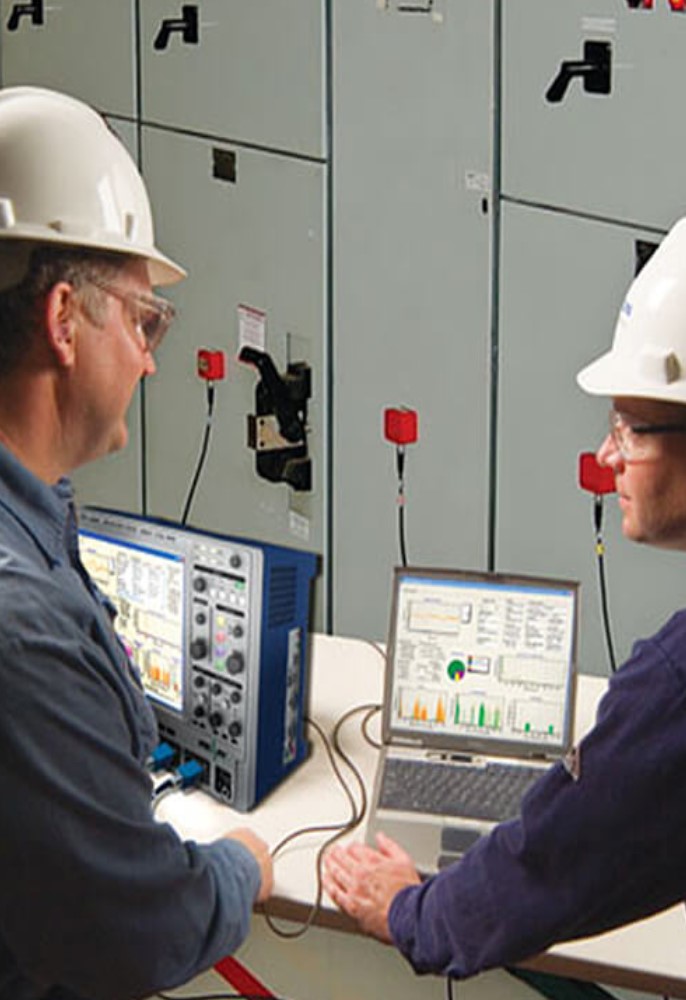
Switchgear installation involves the setup and assembly of electrical equipment and devices used to control, protect, and isolate electrical circuits and components in power distribution systems. Switchgear installations are essential for ensuring the safe and efficient operation of electrical networks, preventing electrical faults, and enabling proper maintenance and troubleshooting. Here’s an overview of switchgear installation:
Types of Switchgear:
- Low-Voltage Switchgear: Used for circuits with lower voltage levels, often in commercial and residential buildings.
- Medium-Voltage Switchgear: Suitable for medium-voltage circuits used in industrial facilities and larger commercial installations.
- High-Voltage Switchgear: Designed for high-voltage transmission and distribution networks, including substations and power plants.
Components of Switchgear:
- Circuit Breakers: Devices that interrupt electrical currents in case of overcurrent or faults.
- Disconnect Switches: Devices used for isolating circuits and equipment for maintenance or repairs.
- Fuses: Protective devices that melt when excessive current flows through them, interrupting the circuit.
- Busbars: Conductive bars that carry and distribute electrical power within the switchgear.
- Relays: Electromechanical or digital devices that detect abnormal conditions and trigger protective actions.
- Control Panels: Houses control and monitoring devices for the switchgear operation.
Switchgear Installation Process:
- Design and Planning: Develop a detailed design plan that includes equipment layout, wiring diagrams, and specifications.
- Site Preparation: Ensure the installation area is prepared with appropriate foundations, grounding, and safety measures.
- Equipment Installation: Place and mount circuit breakers, disconnect switches, busbars, relays, and other components according to the design.
- Wiring and Connections: Connect electrical wiring, control cables, and communication cables between devices.
- Testing: Conduct initial functional tests to ensure proper connections and device operation.
- Commissioning: Perform comprehensive testing of the entire switchgear system to verify its performance and safety.
- Documentation: Maintain accurate records of installation details, wiring diagrams, and test results.
Safety Considerations:
- Electrical Hazards: Switchgear installations involve working with live electrical equipment, so following safety protocols is crucial.
- Personal Protective Equipment (PPE): Proper PPE, such as insulated gloves, safety glasses, and protective clothing, should be worn.
- Lockout/Tagout Procedures: Implement proper lockout/tagout procedures to prevent accidental energization during installation and maintenance.
- Training: Ensure that personnel involved in switchgear installation are trained and experienced in electrical work.
Benefits of Proper Switchgear Installation:
- Protection: Switchgear prevents overloads, short circuits, and electrical faults that can damage equipment or cause fires.
- Isolation: Disconnect switches allow safe isolation of circuits for maintenance or repairs.
- Efficiency: Well-designed switchgear systems ensure efficient electrical distribution and minimize energy losses.
- Reliability: Properly installed switchgear enhances the reliability and availability of electrical systems.
Switchgear installation requires expertise in electrical engineering, safety protocols, and relevant regulations. It’s recommended to work with experienced professionals or contractors who have a thorough understanding of switchgear systems to ensure a safe and reliable installation.

Working With The Best
Who Knows Us


