
Substation Work
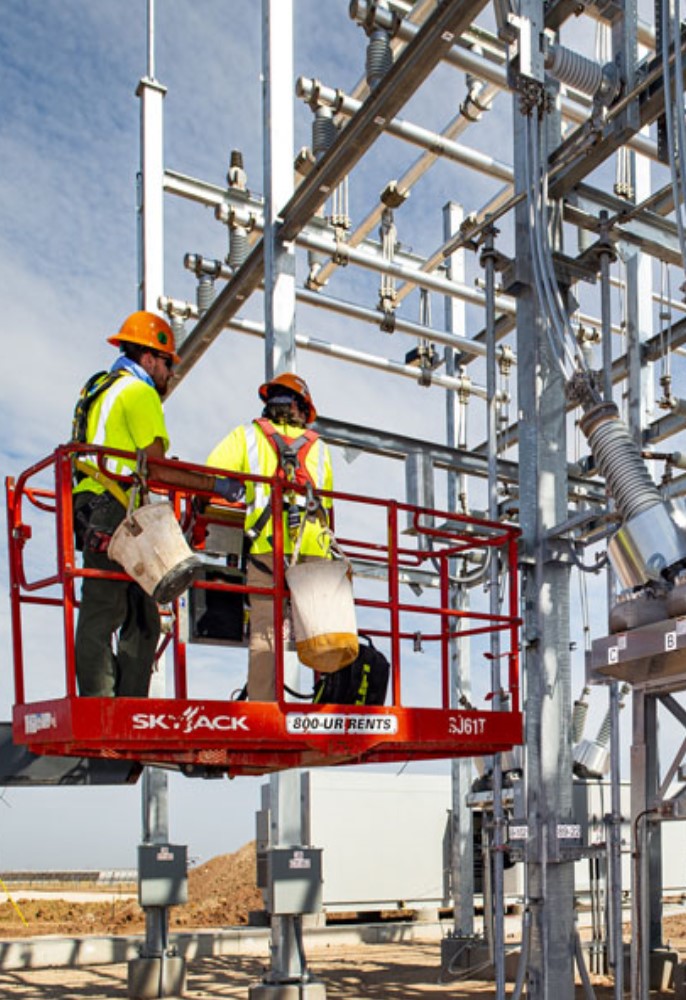
Substation Work
Substation work involves the design, construction, and maintenance of electrical substations, which are critical components of power distribution systems. Substations play a crucial role in transforming voltage levels, distributing electricity, and ensuring the reliability of electrical supply to homes, businesses, and industries. Here’s an overview of substation work:
Types of Substations:
- Step-Up Substations: Located near power plants, these substations increase the voltage of generated electricity for efficient long-distance transmission.
- Step-Down Substations: Located closer to populated areas, these substations reduce voltage levels to safe levels for distribution to homes and businesses.
- Distribution Substations: Further decrease voltage levels for local distribution to end-users.
Substation Components and Work:
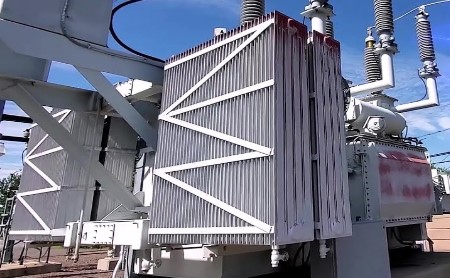
- Transformers: Step-up or step-down transformers change voltage levels for transmission and distribution.
- Switchgear: Electrical devices that control, protect, and isolate electrical equipment in the substation.
- Circuit Breakers: Devices that interrupt electric currents in case of faults to protect equipment and ensure safety.
- Busbars: Conductive bars that carry and distribute electrical power within the substation.
- Control and Protection Systems: Automation and monitoring systems for controlling equipment and ensuring safety.
- Grounding Systems: Systems that provide a safe path for fault currents to the ground, preventing electrical hazards.
- Lightning Protection: Measures to prevent lightning strikes from damaging equipment.
Substation Design and Construction:
- Site Selection: Choosing an appropriate location based on factors like proximity to power sources, environmental impact, and accessibility.
- Layout Design: Planning the arrangement of equipment, structures, and access paths within the substation.
- Engineering Design: Creating detailed drawings and specifications for electrical systems, equipment, and infrastructure.
- Civil Works: Construction of foundations, structures, fencing, and grounding systems.
- Equipment Installation: Placing transformers, switchgear, circuit breakers, and other equipment according to the design.
- Electrical Wiring: Installing power cables, control wiring, and communication cables.
- Testing and Commissioning: Thoroughly testing all equipment and systems to ensure they function correctly and safely.
- Safety Measures: Implementing safety protocols and ensuring compliance with electrical codes and regulations.
Substation Maintenance:
Regular maintenance is crucial to ensure the reliability and safety of substations. Maintenance activities include:
- Routine Inspections: Checking equipment for wear, damage, and signs of malfunction.
- Testing: Conducting electrical tests to verify the performance of transformers, circuit breakers, and protective devices.
- Oil Analysis: Monitoring the condition of transformer oil to detect potential issues.
- Cleaning: Keeping equipment clean to prevent dust and debris buildup.
- Repairs and Upgrades: Addressing issues promptly and upgrading equipment to meet evolving requirements.
Importance of Substation Work:
- Reliability: Well-designed and maintained substations ensure a consistent and reliable supply of electricity.
- Safety: Properly designed and maintained equipment reduces the risk of electrical hazards.
- Efficiency: Efficient transformers and equipment minimize energy losses during transmission and distribution.
- Capacity and Growth: Substations must be designed to accommodate increasing demand for electricity.
Substation work requires collaboration between electrical engineers, civil engineers, construction teams, and maintenance professionals. It plays a critical role in ensuring the continuous and safe supply of electricity to meet the needs of modern society.

Working With The Best
Who Knows Us


