
Lighting Solutions
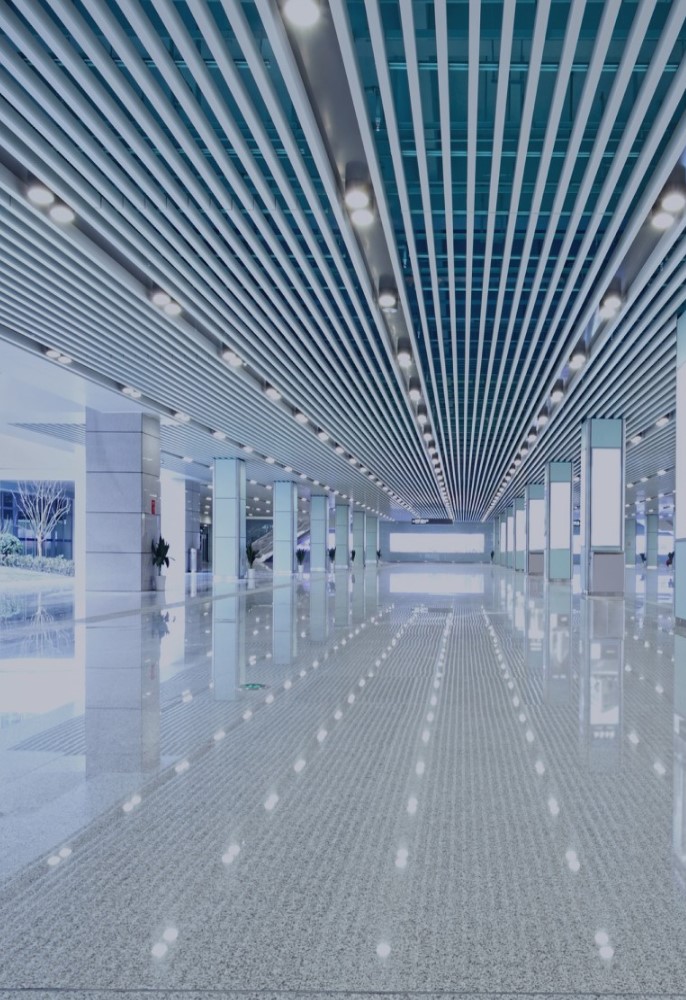
Lighting Solutions
Lighting solutions encompass a wide range of technologies, designs, and strategies for providing adequate illumination in various environments, including homes, offices, commercial spaces, outdoor areas, and more. Effective lighting solutions enhance visibility, aesthetics, mood, and energy efficiency. Here’s an overview of lighting solutions:
Types of Lighting:
- General or Ambient Lighting: Provides overall illumination to a space, allowing people to move and perform tasks comfortably. Examples include ceiling fixtures and recessed lighting.
- Task Lighting: Focuses light on specific areas where tasks are performed, such as reading, cooking, or working. Desk lamps and under-cabinet lighting are common examples.
- Accent Lighting: Highlights specific features, objects, or architectural elements, adding visual interest to a space. Track lighting and wall-mounted fixtures are often used for accent lighting.
- Decorative Lighting: Emphasizes aesthetics and adds artistic or decorative elements to a room. Chandeliers, pendant lights, and ornamental lamps fall under this category.
Lighting Technologies:
- Incandescent: Traditional light bulbs that produce light by heating a wire filament.
- Fluorescent: Energy-efficient lighting using gas discharge to produce ultraviolet light, which then interacts with a phosphorescent coating to produce visible light.
- LED (Light Emitting Diode): Highly energy-efficient lighting that uses semiconductor diodes to emit light when an electric current passes through them. LEDs offer various color temperatures and are long-lasting.
- Halogen: A type of incandescent lamp that uses a halogen gas to extend the life of the filament and increase efficiency.
Lighting Design Considerations:
- Brightness: Choosing the appropriate level of brightness (measured in lumens) for different areas and tasks.
- Color Temperature: Selecting the right color temperature (measured in Kelvin) to create the desired atmosphere. Warmer tones (lower Kelvin) are cozy, while cooler tones (higher Kelvin) are more energizing.
- Light Distribution: Ensuring even distribution of light to avoid glare and shadows.
- Color Rendering Index (CRI): A measure of how accurately colors appear under a light source. Higher CRI values indicate more accurate color representation.
- Energy Efficiency: Opting for energy-efficient lighting solutions to reduce electricity consumption and environmental impact.
Smart Lighting Solutions:
- Smart Bulbs: LED bulbs that can be controlled remotely through smartphone apps or voice commands, offering features like color-changing and dimming.
- Smart Lighting Systems: Comprehensive systems that allow centralized control of multiple light sources, often integrated with other smart home devices.
- Lighting Automation: Setting up schedules and automation rules to turn lights on/off or adjust brightness based on time of day or occupancy.
Outdoor Lighting Solutions:
- Pathway Lighting: Illuminating walkways, driveways, and paths for safety and aesthetics.
- Landscape Lighting: Highlighting trees, plants, and architectural features in outdoor spaces.
- Security Lighting: Installing lights to deter intruders and enhance visibility in outdoor areas.
Benefits of Effective Lighting Solutions:
- Enhanced Aesthetics: Proper lighting can transform the look and feel of a space.
- Improved Visibility: Adequate lighting ensures clear visibility for tasks and movement.
- Mood and Atmosphere: Lighting can influence the mood and ambiance of a room or area.
- Energy Efficiency: Energy-efficient lighting technologies help reduce energy consumption and costs.
- Safety: Properly lit spaces contribute to safety and prevent accidents.
Choosing the right lighting solutions involves considering the specific requirements, aesthetics, and functionality of the space. Consulting with lighting professionals can help ensure that lighting designs meet your needs and create a positive environment.

Working With The Best
Who Knows Us


