
Fabrication and Structures Work
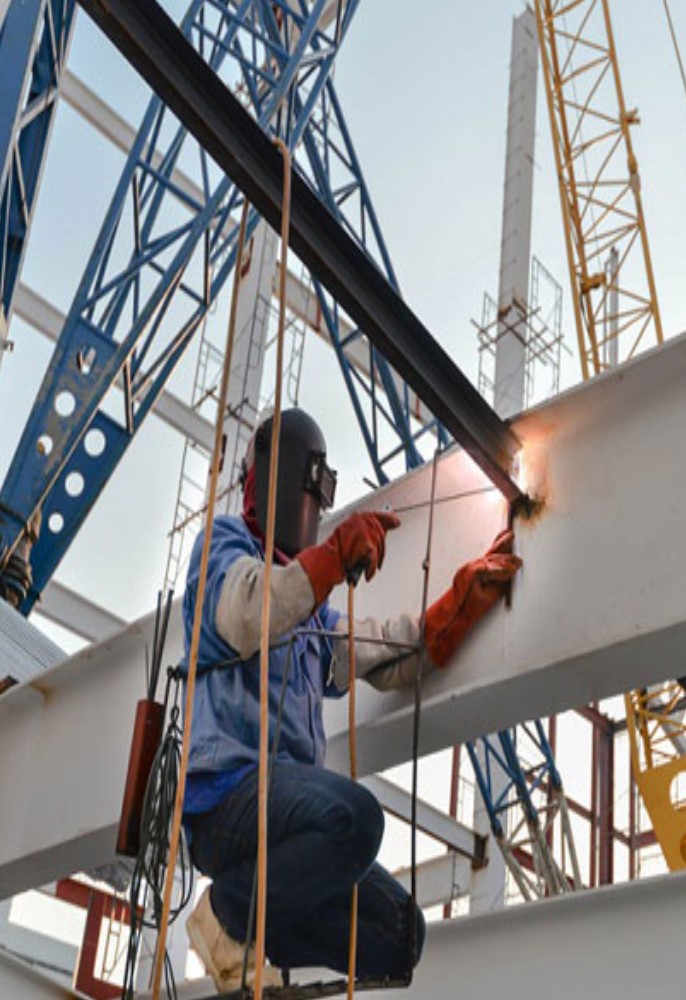
Fabrication and Structures Work
Fabrication and structures work involve the creation of various components, parts, and structures using materials such as metal, wood, concrete, and more. These activities encompass a wide range of industries, from construction and manufacturing to engineering and architecture. Here’s an overview of fabrication and structures work:
Fabrication:
Fabrication involves the process of transforming raw materials into finished products or components through cutting, bending, welding, machining, and assembly. Fabrication can encompass a variety of materials, with metal being a common focus. Key aspects of fabrication include:
- Metal Fabrication: Creating metal components and structures using techniques like cutting, bending, welding, and forming.
- Welding: Joining metal parts together using heat to create strong and durable connections.
- Machining: Using machines like lathes, milling machines, and CNC (computer numerical control) equipment to shape and finish parts.
- Sheet Metal Work: Working with thin sheets of metal to create products like panels, enclosures, and ductwork.
- Assembly: Putting together fabricated parts to create larger structures or finished products.
- Quality Control: Ensuring that fabricated parts meet specified dimensions, tolerances, and quality standards.
Structural Engineering:
Structural engineering involves the design, analysis, and construction of buildings, bridges, and other structures to ensure they are safe, stable, and able to withstand various loads and forces. Key aspects of structural engineering include:
- Structural Design: Creating the overall design of a structure to ensure it can bear its intended loads and meet safety standards.
- Analysis: Evaluating the structural integrity of designs using mathematical calculations and computer simulations.
- Material Selection: Choosing appropriate materials (such as concrete, steel, or timber) based on strength, durability, and other factors.
- Load Analysis: Determining the forces and loads a structure will experience, including dead loads (permanent), live loads (temporary), and environmental loads (wind, snow, seismic).
- Foundation Design: Designing the foundation system that supports the weight of the structure and transfers loads to the ground.
- Construction Oversight: Monitoring construction to ensure the structure is built according to the approved plans and specifications.
Construction and Building Structures:
Construction work involves the assembly of various fabricated components to create buildings, bridges, and other structures. This encompasses a wide range of activities:
- Concrete Work: Pouring and curing concrete to create foundations, slabs, columns, and more.
- Steel Structures: Erecting steel frames and structures used in commercial buildings, warehouses, and industrial facilities.
- Wood Construction: Using wood framing and structures for residential buildings and other applications.
- Bridge Construction: Building bridges and other transportation structures using various materials and engineering techniques.
Architectural Structures:
Architectural structures involve creating aesthetically pleasing and functional designs for buildings and other built environments:
- Roofing and Canopies: Designing and constructing roof structures and covered outdoor spaces.
- Facade Design: Creating the external appearance and envelope of buildings, including cladding and curtain walls.
- Interior Structures: Designing interior features like staircases, mezzanines, and atriums that enhance the spatial experience.
Benefits:
- Functionality: Well-fabricated components and structures are designed to perform their intended functions effectively.
- Safety: Rigorous design and construction standards ensure the safety of occupants and users.
- Durability: Proper fabrication techniques and materials contribute to the long-term durability of structures.
- Aesthetics: Well-designed structures enhance the visual appeal of built environments.
Fabrication and structures work play a critical role in various industries, contributing to the development of infrastructure, manufacturing, and architectural projects. Skilled professionals in fabrication, structural engineering, and construction collaborate to create safe, efficient, and visually pleasing structures.

Working With The Best
Who Knows Us


