
Transmission Line Work
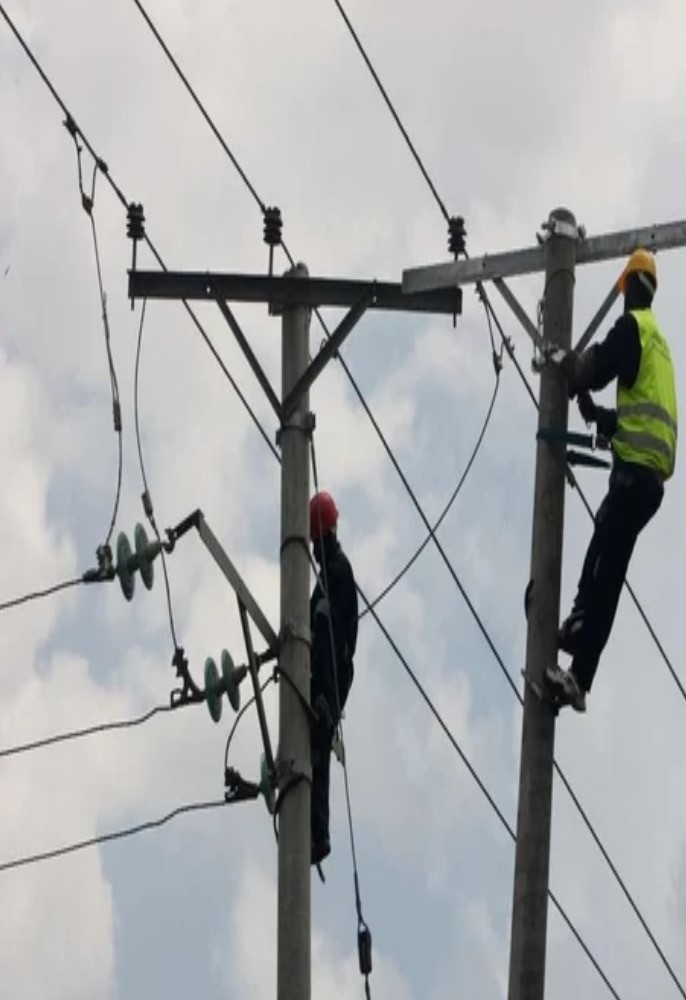
Transmission Line Work
Transmission line work involves the planning, design, construction, maintenance, and operation of high-voltage electrical lines that transmit electricity over long distances from power generation sources to distribution substations or directly to consumers. These lines play a crucial role in ensuring the efficient and reliable distribution of electricity across regions. Here’s an overview of transmission line work:
Types of Transmission Lines:
- Overhead Transmission Lines: Cables and conductors are suspended on towers or poles above the ground.
- Underground Transmission Lines: Cables are buried underground, often used in urban areas or environmentally sensitive regions.
Transmission Line Components:
- Conductors: High-capacity cables that carry electrical current over long distances.
- Towers or Poles: Structures that support the conductors at appropriate heights and spacings.
- Insulators: Devices that prevent electricity from flowing through the tower or pole to the ground.
- Crossarms and Hardware: Components that hold the conductors and insulators in place.
- Grounding Systems: Systems that provide a path for fault currents to the ground, protecting the line and equipment.
- Transmission Line Accessories: Vibration dampers, spacers, and other accessories that enhance line stability and performance.
Transmission Line Work Process:
- Route Survey: Determine the optimal path for the transmission line, considering factors such as terrain, environmental impact, and access.
- Design: Plan the tower locations, conductor types, and specifications based on voltage requirements and load considerations.
- Permitting: Obtain the necessary permits and approvals from regulatory authorities and landowners.
- Foundation Construction: Prepare foundations for tower or pole installation, ensuring stability and structural integrity.
- Tower Erection: Assemble and install the towers or poles according to the design, ensuring proper alignment and spacing.
- Conductor Stringing: String the conductors onto the towers or poles, maintaining proper tension and sag.
- Insulator Installation: Attach insulators to prevent electricity from grounding through the towers or poles.
- Grounding and Bonding: Establish proper grounding connections and bonding to ensure safety and protect against lightning strikes.
- Testing and Commissioning: Conduct tests to verify the line’s performance, insulation, and safety features.
- Maintenance and Repair: Regularly inspect the transmission line, towers, and equipment for signs of wear, corrosion, or damage.
- Emergency Response: Develop protocols for responding to line failures, outages, or weather-related incidents.
Safety Considerations:
- High Voltage Hazards: Transmission lines carry high voltages, so following strict safety procedures is crucial.
- Working at Heights: Tower installation and maintenance often involve working at significant heights, requiring proper fall protection measures.
- Personal Protective Equipment (PPE): Use appropriate PPE, such as safety harnesses, gloves, helmets, and protective clothing.
Benefits of Transmission Line Work:
- Efficient Power Transmission: Transmission lines minimize energy losses during long-distance power transfer.
- Reliability: Well-designed and maintained transmission lines ensure a consistent and reliable power supply.
- Economic Impact: Efficient transmission reduces the need for additional power generation facilities.
- Regional Connectivity: Transmission lines link different regions and enable the sharing of energy resources.
Transmission line work is a complex and specialized field that requires expertise in electrical engineering, structural design, and safety protocols. Professional teams and contractors with experience in transmission line construction and maintenance play a critical role in building and maintaining the electrical infrastructure necessary for modern societies.
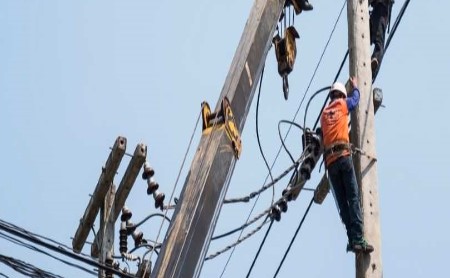
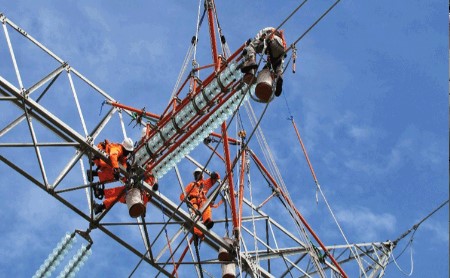
Working With The Best
Who Knows Us


